Which is better: eSIM or local SIM? The short answer
It depends on your trip length, but for most travelers, a local SIM offers better value and reliability — as long as you know the rules. Turkey caps foreign-registered mobile lines at one per person and limits unregistered phones to 120 days. That makes eSIM a strong contender for short stays, but a risky choice for long-term use.
If you already have a local SIM, you cannot legally add an eSIM from a Turkish operator — that would be a second line. That's why many long-term expats rely solely on a physical SIM. On the other hand, an eSIM from an international provider (like Airalo) works over Turkish networks without conflicting with the one‑line rule, but speeds may be capped and prices higher.
- Use an international eSIM for trips up to 2 weeks — no registration hassle.
- Buy a local SIM if staying 1–3 months: better rates and no data caps.
- Register your phone's IMEI if you plan to stay over 120 days.
- Try to register a second Turkish line (eSIM or physical) — it's illegal and will be blocked.
- Rely on roaming: Turkish data is cheap, but roaming from your home operator is not.
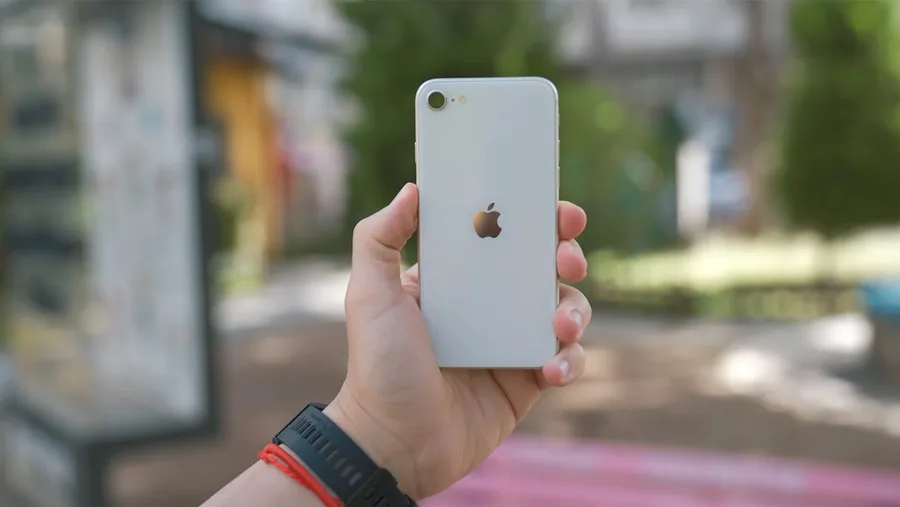
Сравнение по стоимости, покрытию и удобству
Основной критерий — цена. Туристическая SIM-карта в аэропортах Стамбула обойдётся в 2 365–3 200 TRY (по данным на июль 2026). Если же вы решите зарегистрировать IMEI своего телефона для использования местной SIM, доплата составит 54 258 TRY. Это делает местную SIM с регистрацией в разы дороже туристического пакета, хотя и даёт доступ к долгосрочным тарифам.
eSIM — третий вариант. Он не требует IMEI-регистрации, а значит, экономит 54 258 TRY. Стоимость самих eSIM-пакетов варьируется, но часто оказывается ниже туристических SIM из аэропорта. Покрытие у всех операторов одинаковое: Турция — сплошная зона покрытия вдоль побережья и в крупных городах. Недостаток eSIM — необходимость в совместимом смартфоне и отсутствие физической карты на случай потери телефона.
По удобству eSIM выигрывает: не нужно искать магазин, менять сим-лоток. Однако если ваш телефон не поддерживает eSIM, остаётся только физическая SIM. Взвесьте все за и против перед поездкой.
2026 changes: 30+ eSIM platforms blocked and IMEI rule
In 2026, Turkey tightened its grip on mobile connectivity. First, the IMEI registration rule was enforced more strictly: any phone not registered within 120 days of entry is blocked from local networks. Then, in a blow to travelers relying on eSIMs, the government blocked over 30 eSIM platforms, citing revenue loss and security concerns. This has made it harder to find cheap, working eSIMs for Turkey.
For travelers, the main impact is cost and convenience. While local SIMs in official shops cost 1,000 – 1,800 TRY (as of July 2026), eSIM packages from a still-working provider like Ubigi range from 4 to 29 USD. However, many popular eSIM brands are now inaccessible, forcing tourists to queue at airport kiosks or hunt for alternatives.
The blocked platforms mostly affected budget-friendly eSIMs offering cheap data. A few legitimate providers like Ubigi remain operational, but at slightly higher prices. Meanwhile, the IMEI rule adds a long-term headache: if you stay over 120 days, your phone may be cut off unless you pay the registration fee (which has also increased).
Final recommendation: who should pick what
The choice between eSIM and local SIM in Turkey is a trade-off between convenience and reliability. International eSIMs are cheap (Simbye packages start at 2.99 USD per month) and activate instantly, but the BTK regulator has blocked over 30 platforms as of mid-2026 for lacking licenses. That means your chosen provider might stop working unexpectedly. Local SIMs from Turkcell or Vodafone are rock‑solid, but require IMEI registration for phones not bought in Turkey and cost more for short stays.
Читайте также: Анталья 2026: Сколько на самом деле стоит интернет для инста-блогера — разбираем eSIM, местную SIM и роуминг
For trips under a week, a low‑cost eSIM from a still‑licensed provider (like Simbye) is fine, but always carry a backup — either a second eSIM or a local SIM. For stays longer than 10 days, or if you need guaranteed connectivity for work, buying a local SIM at the airport is the safer bet. The 120‑day IMEI registration rule applies only to local SIMs, but it’s a one‑time hassle that ensures stable service.
By July 2026, the safest recommendation is a local SIM for reliability. eSIMs are still usable if you pick a licensed provider (like Simbye from 2.99 USD) and accept the risk of sudden blocks. The 30+ blocked platforms show the regulatory uncertainty.